
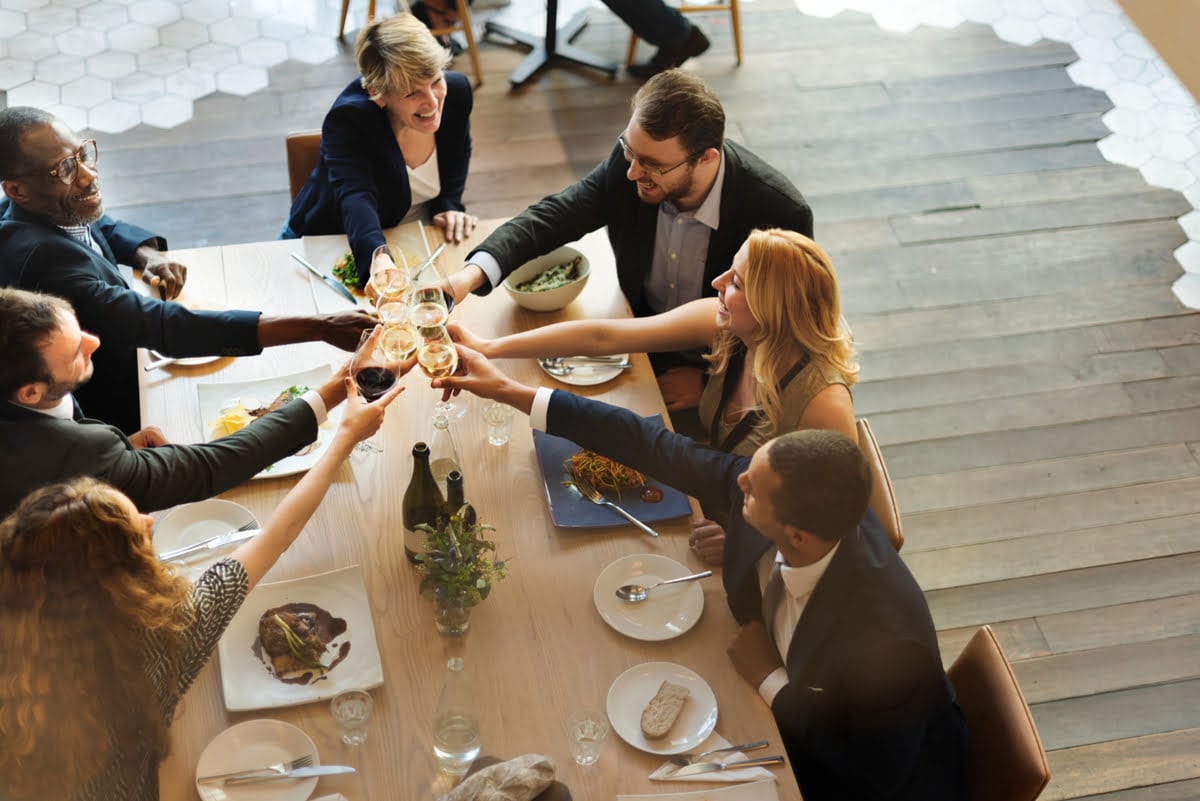
Corporate dinners are one of the most anticipated moments of the year — but also one of the trickiest to organize. Without at least some structure, it's easy for the evening to devolve into isolated conversations, awkward silences, or groups that never mix. That's why more and more companies are turning to games for corporate dinners that help break the ice and create a more relaxed atmosphere.
In this article, you'll find game and activity ideas for corporate dinners, designed for different profiles, moments, and group sizes. Simple, fun proposals that are easy to fold into a lunch or dinner without forcing anything or making anyone uncomfortable.
11 Game and Activity Ideas to Liven Up a Corporate Dinner
The goal of corporate dinner games isn't competition — it's connection, laughter, and shared moments. These ideas work equally well for informal dinners and more corporate events.
These corporate dinner games can be played seated at the table or between courses, without any complicated materials. They work especially well because they respect the rhythm of the dinner and let each person join in only as much as they feel comfortable.
1. The mission game
Each guest gets a small mission to complete during dinner, like starting a specific conversation or getting a funny photo. Missions are carried out discreetly.
It works well because it sparks natural interaction and breaks the ice without putting anyone on the spot.
2. Corporate true or false
Statements related to the company, the team, or internal anecdotes are put forward, and guests have to guess whether they're true or false.
This game reinforces a sense of belonging and is very inclusive, even for people who are new to the company.
3. Dinner challenges
Small, optional challenges suited to the context, like toasting with someone new or sharing a short anecdote.
It works because it doesn't force anyone's hand and lets the fun happen spontaneously.
4. Who's who on the team
Anonymous descriptions with fun facts about colleagues are handed out, and guests try to guess who they're about.
It's ideal for large groups and helps people get to know each other beyond their job title.
5. Chain stories
Each person adds a sentence to a story that builds throughout the dinner.
It works really well because it encourages creativity and requires no special skills.
6. Dinner bingo
A bingo card is created with situations typical of corporate dinners, like toasts, laughter, or recurring comments.
It's a discreet, fun game that runs alongside the whole evening without ever interrupting it.
7. Anonymous notes
Guests anonymously write a fun or positive note, which is read aloud during dinner.
It works because it generates laughs without singling anyone out, creating a relaxed atmosphere.
8. The mildly awkward question
Light, harmless questions are thrown out, designed to spark conversation.
This game livens up the table and helps break silences without forcing anything.
9. Secret buddy
Each person is assigned another colleague to look out for during dinner with small gestures.
It works because it naturally encourages attentiveness, empathy, and good vibes.
10. The shared memory
Guests are invited to share a positive memory related to the company or the team.
This game strengthens bonds and adds an emotional touch without feeling forced.
11. Guess the photo
Old or funny photos related to the company are shown, and guests try to guess the context or the person.
It's one of the most effective games because it combines humor, nostalgia, and spontaneous participation.
These kinds of meal-time games help break down barriers, mix teams, and turn a corporate dinner into a shared experience that people genuinely enjoy.

What Other Activities Can Elevate Your Corporate Dinner?
Beyond table games or group activities, there are options that fit naturally into a corporate dinner and leave a lasting keepsake. These are ideas that don't interrupt the evening, and that each guest can enjoy at their own pace.
Spontaneous photos among colleagues
Setting up a spot where guests can spontaneously take photos is one of the simplest ways to liven up dinner. Groups form naturally, and laughter follows without needing constant prompting.
This kind of activity relies on an assisted photography system that guarantees quality images, without anyone having to worry about using their phone or constantly asking for photos.
Creative portraits with visual effects
Creative portraits surprise people because they turn an ordinary photo into something different. Guests try out styles, backdrops, or effects intuitively, which sparks curiosity and conversation.
This kind of idea works especially well for companies that value innovation and want a different visual experience without forcing participation.
Moments captured from multiple angles
Gathering a small group and capturing a moment from different perspectives turns a simple gesture into a striking keepsake. Guests take part for a few seconds and then go right back to dinner.
It's a highly visual activity that draws attention and sparks interest without needing any explanation or downtime.
Recorded messages as a company keepsake
Inviting guests to leave a recorded message is an intimate, personal way to create a collective keepsake. It could be funny words, thank-yous, or well wishes.
This format captures authentic moments and carries real emotional value, especially at year-end dinners or anniversaries.
Fun moments in slow motion
Toasts, laughter, or simple gestures turn into striking scenes when captured in slow motion. Guests enjoy both the moment and the visual result.
It works especially well because it requires no acting or preparation — just letting go for a few seconds.
Dynamic group videos
This idea invites several colleagues to coordinate a simple movement or a short routine together. The result is a dynamic, fun video shared after dinner.
It's ideal for the more festive moments of the event and usually becomes one of the most talked-about keepsakes.
Red-carpet-style experience
Giving guests a few seconds in the spotlight, with a considered, cinematic look, adds an aspirational touch to the corporate dinner.
This kind of experience fits perfectly with corporate events that want to stand out and reinforce their brand image in an elegant way.
Choosing one or two of these activities is enough to elevate the experience without overloading the dinner. The key is to integrate them naturally and let guests discover them at their own pace.
Why You Should Include These Games and Activities in Your Corporate Dinners
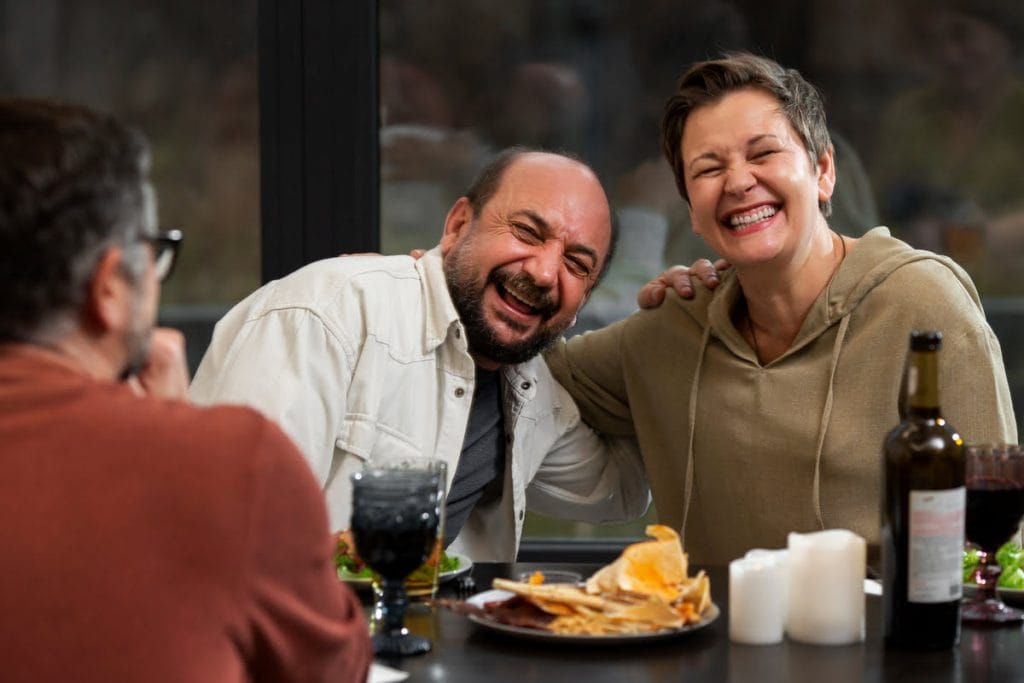
Including games for corporate meals has a direct impact on the atmosphere of the event. They help break the ice, encourage conversation across departments, and reinforce a sense of team spirit.
What's more, these kinds of activities ease tension, humanize working relationships, and turn the dinner into a shared experience rather than just a formal meal.
How Do You Know Which Game or Activity to Choose?
Choosing the right games for corporate dinners isn't a matter of personal taste — it's about matching the activity to the real context of the event. Here are the factors that actually make the difference when deciding.
The number of guests is the first filter. In small groups, conversational, participatory games work best, while larger dinners call for open activities that don't require everyone to join in at once.
How well colleagues know each other determines the right level of exposure. If teams don't know each other well, it's best to avoid games that require public speaking or improvising, and lean toward visual activities or discreet games that can be done table by table.
The type of company and its culture also matter. In more formal settings, elegant, visual activities work best, while younger or more creative companies can comfortably add a more playful touch.
The purpose of the dinner sets the tone. For a celebration, festive activities fit best. For a farewell or year-end dinner, activities that create a keepsake or an emotional component work particularly well.
Once these four points are clear, choosing the right activity becomes much simpler, and you avoid awkward or forced situations.
When Is the Best Time to Run Them During the Corporate Dinner?
It's not just which game or activity you choose — it's also when you introduce it during the dinner. The right timing can make it land or fall flat.
At the start of dinner, gentle icebreaker activities work best. Short games or visual activities help relax the mood while guests settle in.
Between courses is the best moment for light games that keep the energy up without interrupting conversations. Table-based or spontaneous activities fit perfectly here.
After dinner is the ideal time for more dynamic or visual activities. Once the atmosphere is more relaxed, guests join in more naturally and the keepsake tends to feel more meaningful.
In every case, the ideal is for these activities to blend in organically, without forcing anyone to take part, always respecting the rhythm of the evening.
Transform Your Corporate Dinners With Esfering
A well-organized corporate dinner is remembered for how it felt, not just what was on the menu. The games, activities, and shared experiences are what make the difference and turn a corporate event into something special.
If you're looking for an elegant, natural way to liven up your corporate dinners and lunches, discover how Esfering can help you create visual experiences that connect, entertain, and leave a lasting keepsake.